
The surprise national blackout of April 18, 2024 in Ecuador highlighted the fragility of its electricity system, which is highly dependent on hydroelectric generation. This event has prompted the search for alternative solutions to guarantee the country's energy security. In this context, gas-fired generation emerges as a viable alternative to complement the energy matrix and contribute to sustainable development.
Advantages of Gas Generation in Ecuador
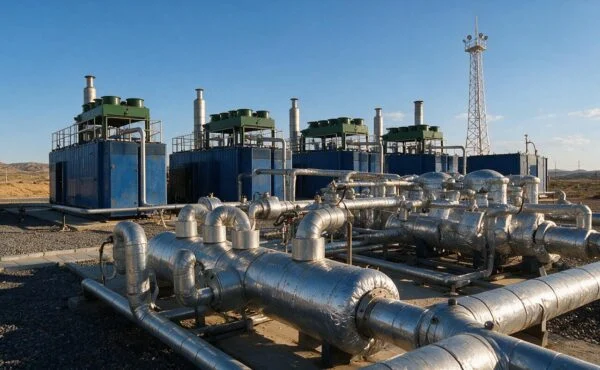
Clean Combustion: Natural gas, compared to fossil fuels such as coal or oil, generates lower polluting emissions, contributing to environmental protection.
High Flexibility: Gas-fired power plants adapt quickly to changes in energy demand, ideally complementing hydroelectric generation, which is less flexible in the face of demand fluctuations.
Short Implementation Times: Construction of this type of plant is usually faster than other power plants, allowing generation capacity to be added to the grid expeditiously.
Feasibility in the Ecuadorian Context
Ecuador has the necessary conditions to implement large-scale gas-fired generation:
Natural Resources: The country has proven natural gas reserves of approximately 1.6 trillion cubic feet, an important potential for energy generation.
Growing Demand: Energy demand in Ecuador has experienced steady growth in recent years, creating an attractive market for gas-fired generation.
Favorable Regulatory Framework: The Ecuadorian government has implemented policies and regulations that encourage the development of gas-fired generation projects, including tax incentives and streamlining administrative procedures.
Technical Experience: The country has trained technical personnel with experience in the management of gas-fired generation projects, facilitating their implementation.

Recommendations for Implementation
National Strategy: Define a national strategy for the development of gas-fired generation, establishing objectives, goals and specific actions considering energy needs, available resources and market conditions.
Private Investment: Encourage private investment in gas-fired generation projects through competitive auctions, guarantee offers and simplification of investment processes.
Transportation Infrastructure: Develop adequate infrastructure for the transportation of natural gas, including the construction of pipelines and the expansion of the distribution network.
Modernization of the Electricity System: Modernize the Ecuadorian electricity system to improve its efficiency and reliability, allowing for better integration of gas-fired generation into the energy matrix.

Conclusion
The 2024 national blackout in Ecuador has been a wake-up call to the need to diversify the energy matrix and reduce dependence on hydroelectric generation. Gas-fired generation is presented as a viable alternative to complement the energy matrix, provide energy security and contribute to the sustainable development of the country.
With an appropriate strategy, a favorable regulatory framework and the participation of the private sector, Ecuador has the potential to become a regional benchmark in the implementation of gas-fired generation, making the most of its natural resources and improving the quality of life of its citizens.
Keywords: Gas-fired generation, gas turbines, natural gas, electric power, Ecuador, blackouts, energy crisis, energy matrix, sustainable development, investment, infrastructure, energy security.


 Español de Ecuador
 English
 简体中文
简体中文